NEWS
Hydroaid: The international water school for development has brought technical skills and circularity models to the treatment and reuse of water resources in Jatni. Chemical analyses, drainage models and urban waste treatment are at the heart of the project funded by UN-Habitat and led by Smat. Methods and know-how could be transferred to 120 plants…
Hydroaid:
The international water school for development has brought technical skills and circularity models to the treatment and reuse of water resources in Jatni.
Chemical analyses, drainage models and urban waste treatment are at the heart of the project funded by UN-Habitat and led by Smat
Methods and know-how could be transferred to 120 similar plants in the state of Odisha, to improve the sanitary conditions of 47 million inhabitants and the environment
Turin, 17 June 2024 – “Ensure availability and sustainable management of water and sanitation for all” is Goal 6 of the United Nations 2030 Agenda for sustainable development, which urges all countries to take action and engage in international cooperation on water and sanitation activities and programmes for every nation in the world.
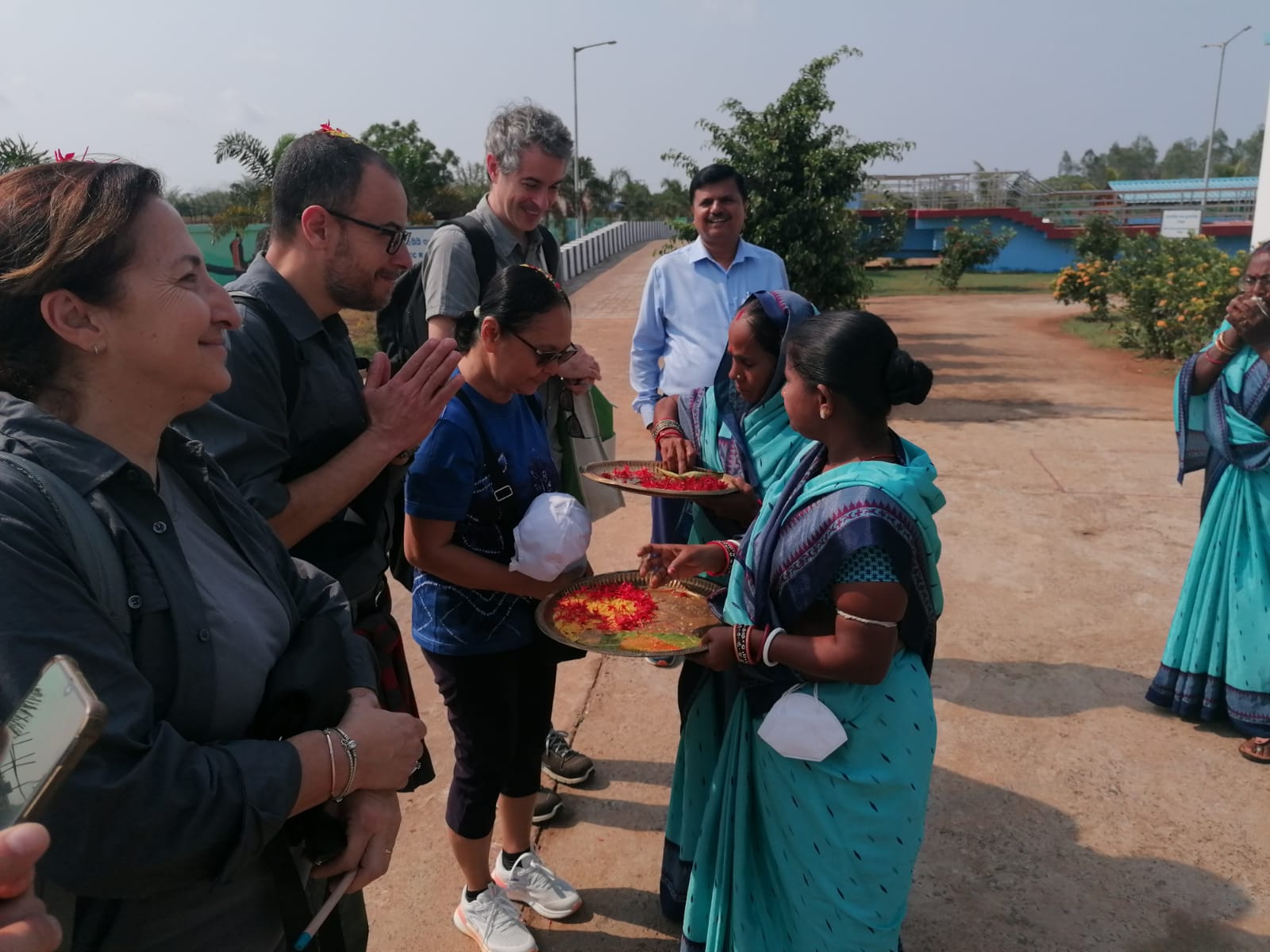
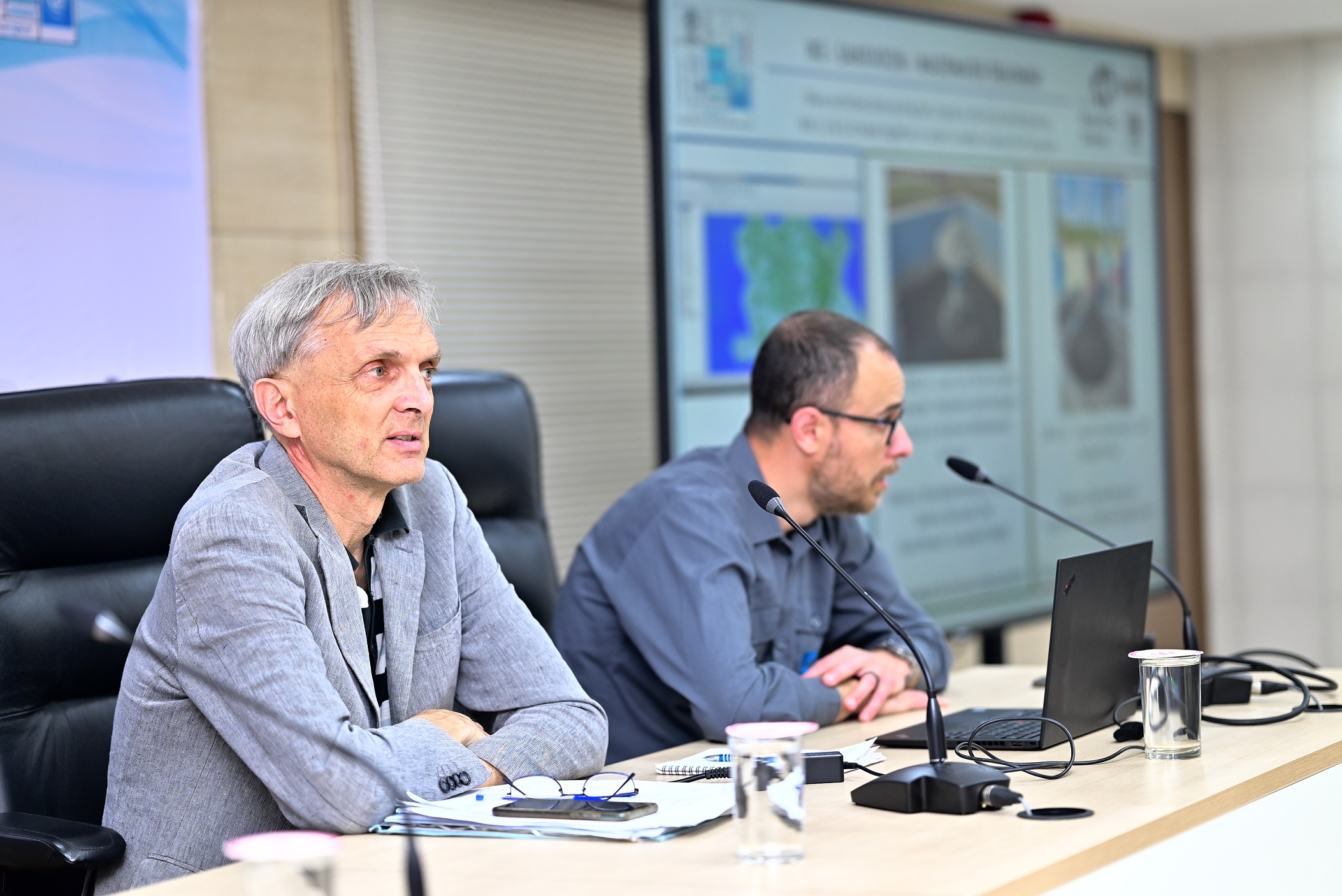
In line with this high global goal is the latest mission of Hydroaid, the International Water School for Development, which took place in India in May. The trip was undertaken as a partner in the SO-WOP project in support of Owsbb – Odisha Water Supply and Sewerage Board, the state body responsible for wastewater treatment in Odisha, an initiative led by Smat – Società Metropolitana Acque Torino.
SO-WOP is above all a technical exchange of international collaboration between Italy and India, aimed at increasing the effectiveness and efficiency of Oswbb in operational and financial terms and in environmental sustainability, by introducing elements of circularity into water resource management. But it is also a local social sustainability initiative, to encourage the inclusion of women and transgender people in the workplace.
The project lasts three years (ending in January 2025, worth USD 598,000) and received funding of USD 414,000 from UN-Habitat, in an international call for water operators won by Smat. The working team also includes the Politecnico di Torino and Waterlinks, a Philippine NGO.
At the centre of the actions undertaken is the pilot sludge and wastewater treatment plant in the city of Jatni, home to 40,000 inhabitants in the north-east of the country, with the aim of improving its hygiene standards for reuse or release into watercourses or groundwater.
The meeting between the Italian team and the plant's technicians, including several women, made it possible over the course of a week to carry out chemical laboratory activities, from sample preparation to analyses to remove pathogens and nitrogen compounds. The use of GIS software also made it possible to develop mathematical models of water drainage, which are essential where the monsoon causes flooding and damage every year, mixing greywater pollution with rainwater.
Through training and skills dissemination, the technical models and knowledge acquired can thus be recovered and replicated in the other 120 similar plants and passed on in cascade to other technicians in the state of Odisha, home to 47 million inhabitants, where the authorities are engaged in water sanitation initiatives in an area lacking modern sanitation infrastructure and where septic tanks still prevail over sewers.
The figures released by the UN on these problems, worldwide, are alarming: 2.4 billion people do not have access to basic sanitation such as toilets or latrines; at least 1.8 billion use contaminated sources of drinking water; more than 80% of wastewater produced by human activities is discharged into rivers or seas without treatment; about 70% of the water drawn from rivers, lakes and aquifers is used for irrigation; every day, around a thousand children die from preventable diarrhoeal diseases linked to water and hygiene.
SO-WOP therefore also included training local staff in the best ways of reusing urban liquid and solid waste. Technicians, wearing a protective suit inside a shed, combine the organic waste of the city of Jatni with the sludge produced as a residue by the pilot plant (based on low-cost technologies such as phytoremediation) to produce Co-compost, which will also be tested in the plant's agricultural fields in the coming months. The test will serve to extend the production of sludge reuse, obtain certification and then have it adopted in dozens of other similar plants.
Training will also continue remotely over the coming weeks, through an e-learning course on Wastewater Treatment, hosted on the Hydroaid platform and addressed to 159 students, 40 of whom belong to Indian bodies that are partners in the project. The other participants come from different countries around the world (Trinidad & Tobago, Philippines, Egypt, Ethiopia, Colombia, Indonesia…).
“At a time in history when each country seems to want to look only to its own interests, the SO-WOP project shows that it is still possible to make a collective effort to achieve common goals”, explains Federico Perotti, expert in international cooperation and water governance at Hydroaid and a member of the mission to India. “Not even Italy can consider itself immune to water hygiene problems, perhaps related to industrial discharges. In the face of climate change, moreover, disastrous events are intensifying for everyone. In this sense, the exchange of techniques and best practices will bear fruit from a technical point of view, perhaps slowly, but can only enrich both sides and create relationships of cooperation and exchange between countries, peoples and individuals”.
The Hydroaid Board of Directors comments in the words of its chair Elena Actis: “we are very satisfied because in this project Hydroaid carries out and consolidates its training and cooperation mission, in synergy with its members Smat and the Politecnico di Torino, enhancing their skills and exporting Turin's international vocation on water resources and environmental protection, a replicable model appreciated by national and international stakeholders”.
***
Hydroaid – International Water School for Development – is a non-profit association, founded in 1999 by local bodies and institutions of Piedmont and Turin with the aim of contributing to strengthening knowledge, capacity and skills for the sustainable management of water resources in developing and emerging countries. The permanent Members, from the public and private sectors, support its institutional activities and actively contribute to the implementation of its various initiatives and projects. The main thematic areas of intervention are: integrated water cycle, planning and governance of the water service, integrated waste cycle. Since 2011 Hydroaid has held special consultative status with the United Nations Economic and Social Council.
press release by Trefoloni e Associati