NEWS
One fifth (19.8%) of Italy’s UAA is devoted to organic crops, and it grew by 4.5% in 2023, according to the “Bio in Cifre 2024” report prepared by Ismea and Ciheam Bari. For AssoBio, synergy between associations and institutions is essential to increase the sector’s competitiveness Bologna, 22 July 2024 – The growth of…
One fifth (19.8%) of Italy’s UAA is devoted to organic crops, and it grew by 4.5% in 2023, according to the “Bio in Cifre 2024” report prepared by Ismea and Ciheam Bari. For AssoBio, synergy between associations and institutions is essential to increase the sector’s competitiveness
Bologna, 22 July 2024 – Organic farming continues to grow in cultivated area and number of operators in Italy, the leading country in the European Union for share of organic UAA and number of organic farms. This emerges from the data in the “Bio in Cifre 2024” report, prepared by Ismea and Ciheam Bari and presented the other day at the “Appuntamento con il Bio” event in Bracciano (Rome), which AssoBio also attended.
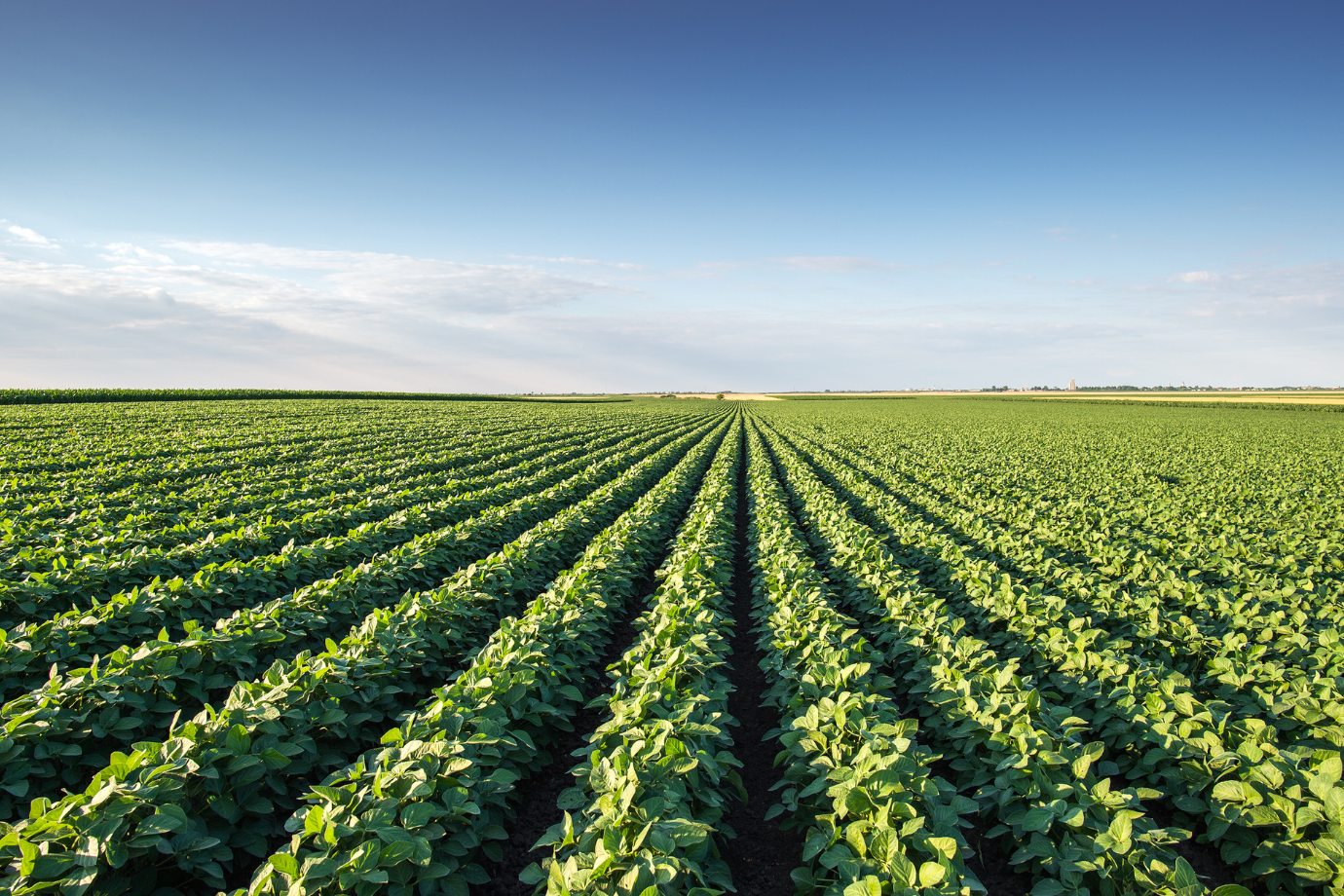
In particular, the 2.5 million hectares under organic farming cover 19.8% of the utilised agricultural area (UAA) in Italy, that is, almost one fifth, and grew by 4.5% in 2023 compared with the previous year (106,000 more hectares). The figure brings our country even closer to the 25% target set by the European Union with the “Farm to Fork” strategy for 2030, as part of the Green Deal.
Six Italian regions have already reached this target: Tuscany (37.5%), Calabria (36.3%), Sicily (30.7%), Marche (28.2%), Basilicata (27.6%) and Lazio (27%). The South maintains the highest share, with 58% of the total, but there is a gradual rebalancing of the geographical distribution, with the Centre-North, which has almost doubled its investment in organic farming in 10 years. The increase, in fact, has mainly concerned this area.
The land devoted to organic crops is arable land (42.1%), meadows and pastures (29.7%), permanent crops (22.8%) and vegetables (2.5%). The greatest growth was recorded in meadows, pastures, and industrial and fodder crops.
In addition to surfaces, the number of operators has risen, now 94,441 units, up 1.8% on 2022 (1,642 more). Three out of four (73.7%) are exclusive producers, while exclusive processors are 10.3%. The producer/processor component grew the most (+3.5%), confirming the trend of introducing primary processing on the farm to retain a larger share of added value. Geographically, the podium is occupied by three southern regions: Sicily (14,235 operators), Puglia (11,362) and Calabria (10,396).
Household consumption of organic products, in the large-scale retail channel alone, reached EUR 3.8 billion, an increase of 5.2% on 2022, albeit with unchanged volumes. The comparison with the general trend in food purchases, which grew by 8.1% in value but fell by 1.1% in quantity, highlights the weaker inflationary pressure in the organic department compared with the other products in Italians’ shopping baskets. The territorial distribution of organic spending is higher in the North-West (33.9%) and lower in southern Italy and Sicily (12.2%). The figures for the North-East (27.5%) and Central Italy with Sardinia (26.4%) are similar.
Despite the encouraging figures, companies still face a scenario of a sharp rise in production costs, made worse by adverse weather events that have hit various areas of the country, complicating farming operations, particularly for organic farms, which are more costly and also more difficult to manage agronomically.
“Appuntamento con il bio” hosted numerous guests, including Luigi D’Eramo, Undersecretary for Agriculture, Food Sovereignty and Forests, Fabio del Bravo, ISMEA Manager, Stefania Mastromarino, head of the MASAF office for organic farming, and the main representatives of the sector’s associations and trade organisations.
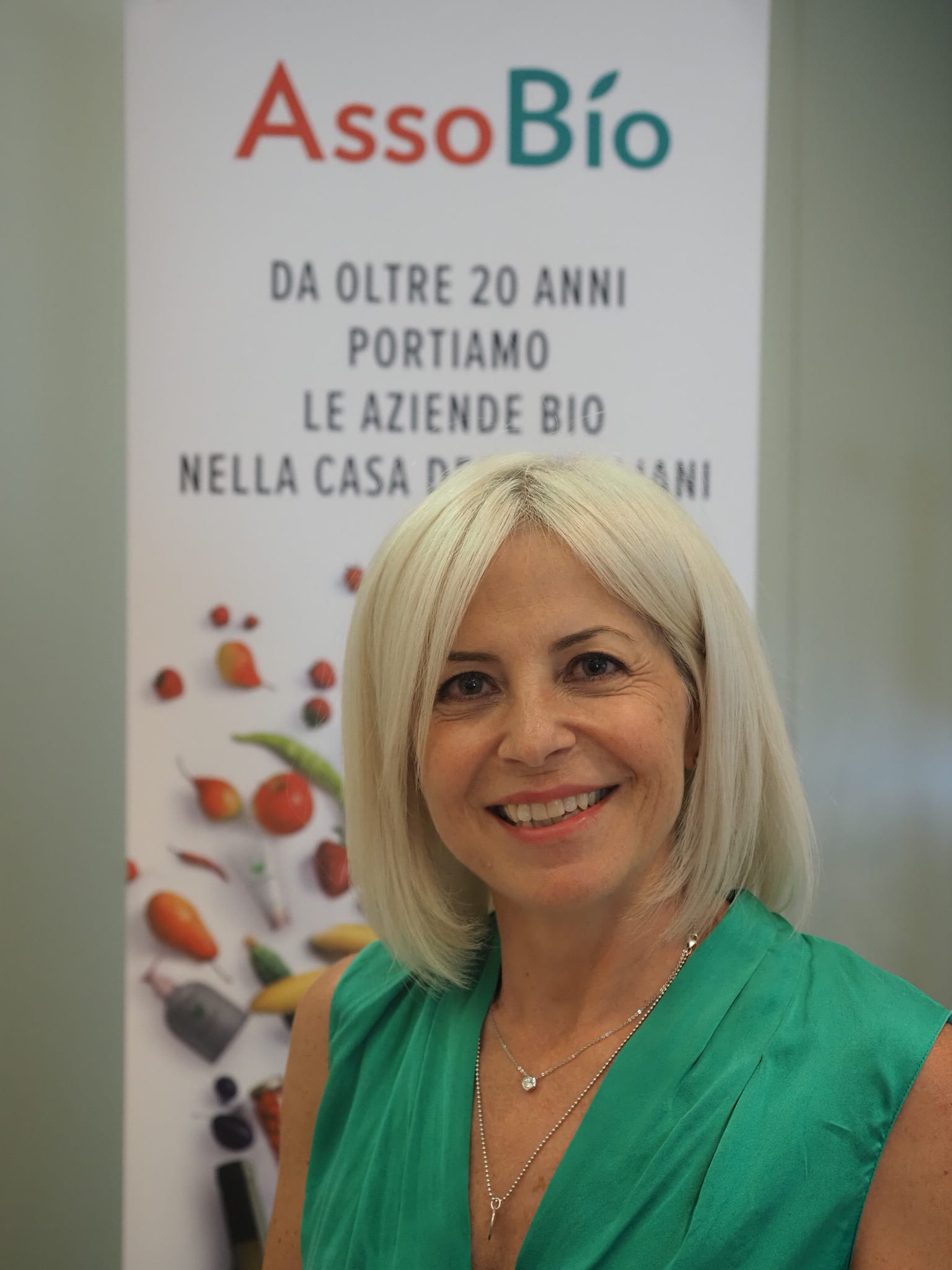 “The morning was interesting, constructive and highly stimulating thanks to the lively discussion between associations and institutions,” said Nicoletta Maffini, president of AssoBio, during the event’s round table.“The data presented by the Ismea observatory confirm that the sector needs new stimulus and renewed enthusiasm, even though they are not negative. All the associations will undoubtedly work in synergy to support both agricultural production and the growth of consumption, including through shared communication actions. The institutions will continue to commit to an important path of growth for the sector, which is a jewel in the crown of Italy’s agricultural heritage”.
press release by Trefoloni e Associati